Animal Print Pattern Digital Papers Set: Creative Applications for Bold Designs
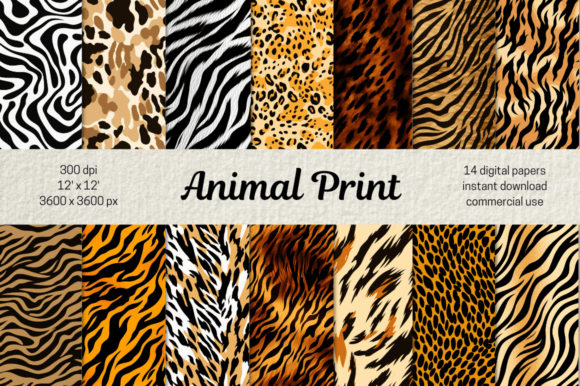
When designers and crafters search for an Animal Print Pattern Digital Papers Set, they are often looking for more than just a texture; they are seeking a specific mood that balances organic chaos with structured elegance. This particular collection, featuring 14 distinct high-resolution backgrounds, serves as a versatile foundation for projects that require a touch of untamed flair. Unlike physical fabric or wrapping paper, digital papers offer the flexibility to scale, crop, and manipulate patterns without losing fidelity. Whether you are designing a luxury brand identity or creating a tactile junk journal, understanding how to leverage these exotic prints can transform a standard project into something visually arresting.
Elevating Event Stationery and Invitations
One of the most immediate applications for this bundle is in the realm of event stationery. Animal prints have transcended their reputation as purely trendy or kitschy, evolving into a staple for sophisticated event design. However, the key to using an Animal Print Pattern Digital Papers Set for invitations lies in restraint and contrast.
For wedding suites, consider using a subtle leopard spot pattern as a backing layer behind translucent vellum overlays. The digital nature of these papers allows you to adjust opacity before printing, ensuring the pattern adds depth without overpowering delicate calligraphy. Zebra stripes, with their high-contrast black and white geometry, work exceptionally well for modern, minimalist engagement parties or corporate galas. In these scenarios, the digital paper acts as a framing device rather than the main attraction. You might use a bold snake skin texture for the envelope liner while keeping the invitation card itself clean and typographic. This approach satisfies clients who want a "wild" aesthetic but still demand readability and formal elegance.
Digital Design and Social Media Branding
In the digital space, where attention spans are fleeting, animal prints serve as powerful scroll-stoppers. Content creators and social media managers frequently utilize these textures to create cohesive brand aesthetics. A fashion blogger, for instance, might use a cheetah print background for Instagram quote cards to maintain a consistent visual theme that aligns with their personal brand. Because this set includes 14 variations, it provides enough diversity to prevent audience fatigue while maintaining thematic consistency.
For web designers, these digital papers can be utilized as section dividers or hero image overlays. When applying animal prints to screens, it is crucial to consider accessibility. High-contrast patterns like zebra or tiger stripes can sometimes interfere with text legibility. A practical solution is to apply a solid color overlay with reduced opacity on top of the digital paper within your design software. This mutes the intensity of the pattern just enough to ensure white or dark text remains accessible, adhering to WCAG guidelines while retaining the exotic vibe.
The Tactile World of Junk Journaling and Scrapbooking
While digital design focuses on pixels, the scrapbooking and junk journaling community values the intersection of digital assets and physical craftsmanship. This Animal Print Pattern Digital Papers Set is particularly valuable here because it solves the sourcing problem. Finding authentic-looking, high-quality animal textures in physical paper stores can be difficult and expensive. Digital bundles allow journalers to print exactly what they need, when they need it.
Junk journal enthusiasts often mix media, combining vintage ephemera with modern textures. A distressed leopard print can bridge the gap between antique lace and contemporary photography. When printing these digital papers for physical use, the choice of paper stock matters immensely. Printing on matte cardstock tends to yield the most realistic results, as glossy paper can make animal prints look artificial or plastic-like. For those creating pocket pages or shaker cards, these backgrounds provide the necessary visual weight to anchor lighter elements like tickets or handwritten notes.
Sublimation and Product Customization
Sublimation artists represent a unique segment of users who rely heavily on seamless, high-resolution digital patterns. Whether creating custom tumblers, phone cases, or apparel, the repeat quality of the pattern is paramount. This bundle’s variety allows makers to offer a diverse product line without purchasing individual designs. A tumbler wrapped in a vibrant python print appeals to a different demographic than one featuring classic tortoiseshell, yet both can be produced from the same asset library.
Practical experience in sublimation suggests that color management is critical when working with animal prints. Monitors display colors in RGB, while sublimation printers use CMYK. Rich browns and deep blacks in leopard or jaguar patterns can sometimes shift during the heat press process. It is advisable to print test swatches on your specific substrate before committing to a full production run. Additionally, because animal prints are organic and non-linear, they are forgiving regarding alignment issues, making them an excellent choice for beginners learning to wrap curved surfaces.
Considerations for Selecting and Using Digital Textures
Before integrating an Animal Print Pattern Digital Papers Set into your workflow, there are several technical and aesthetic factors to evaluate to ensure professional results.
- Resolution and Scaling: Always verify the DPI (dots per inch) of the files. For digital-only projects, 72 DPI may suffice, but for any physical application—including scrapbooking and sublimation—300 DPI is the minimum standard to avoid pixelation. Since animal prints contain fine details like fur texture or scale definition, low-resolution files will appear muddy when printed.
- Color Profile Compatibility: Understand whether the files are delivered in RGB or CMYK. If you plan to print professionally, CMYK files are preferable. If the set is RGB-only, perform a soft proof in Photoshop or Illustrator to anticipate color shifts before sending files to a commercial printer.
- Licensing Terms: Digital paper bundles come with varying license agreements. Some allow for unlimited personal use but restrict commercial end products. If you intend to sell physical items made with these patterns (like the sublimated tumblers mentioned above), confirm that the license covers commercial manufacturing. Never assume a digital purchase includes resale rights.
- Pattern Scale Relative to Project Size: A large-scale giraffe print might look stunning on a 12x12 scrapbook page but could appear as unrecognizable blobs on a business card. Conversely, a tiny micro-print might lose its impact on a large poster. Utilize the digital format to your advantage by scaling the pattern appropriately for the canvas size before finalizing your layout.
Balancing Trend and Timelessness
Animal prints occupy a unique space in design history; they are simultaneously trendy and timeless. The risk when using a bundle like this is leaning too heavily into current fads, which can date a project quickly. To mitigate this, focus on the structural qualities of the print rather than its trendiness. Treat a zebra stripe as a geometric neutral similar to a pinstripe, or view a leopard spot as an organic polka dot. By stripping away the cultural baggage associated with specific animals, you unlock the pure design utility of the pattern.
Furthermore, consider the emotional resonance of the specific print chosen. Snake skins often convey luxury, danger, or transformation, making them suitable for edgy fashion portfolios or nightlife branding. Cheetah and leopard spots tend to read as warmer and more approachable, fitting for baby showers (in muted tones) or lifestyle blogging. Tortoiseshell implies tradition and academia. Matching the psychological weight of the pattern to the intent of the project ensures that the Animal Print Pattern Digital Papers Set enhances the message rather than distracting from it.
Ultimately, the value of this 14-piece collection lies in its adaptability. It removes the barrier to entry for incorporating complex natural textures into creative work. Whether you are a seasoned graphic designer needing a quick texture overlay or a hobbyist crafter looking to add sophistication to your next journal spread, these digital papers provide a reliable, high-quality resource. Success comes not just from owning the assets, but from understanding the nuanced interplay between wild aesthetics and functional design principles.