Cow Print Chic Digital Paper: Rustic Design Assets
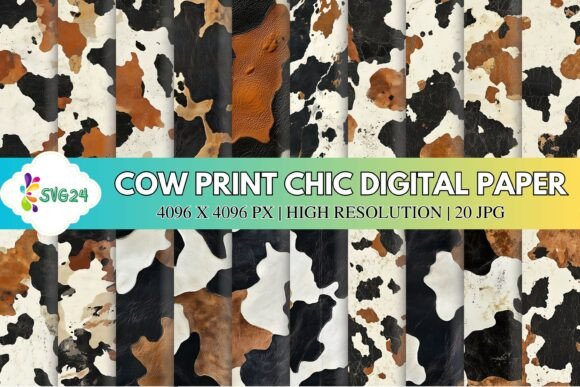
Modern western aesthetics have evolved far beyond traditional rodeo posters and vintage ranch signage. Today’s Cow Print Chic Digital Paper represents a sophisticated intersection of rustic authenticity and contemporary design trends. This collection captures the tactile essence of genuine cowhide while maintaining the clean, high-resolution clarity required for professional digital and print applications. The visual personality of these textures strikes a deliberate balance between rugged durability and fashionable elegance, making them versatile assets for creators who want to evoke country charm without sacrificing modern polish.
The appeal lies in the nuanced color palette and realistic distressing. Rather than flat, cartoonish spots, these backgrounds feature organic variations in black, brown, tan, and cream. This neutral western color scheme allows the texture to function as a foundational element in complex layouts. When used effectively, this type of background establishes an immediate emotional connection with audiences who appreciate farmhouse style, boutique branding, and artisanal craftsmanship. It serves as a visual anchor that grounds lighter elements like script fonts or minimalist logos, providing necessary contrast and depth to editorial designs and packaging projects.
Strategic Applications Across Creative Disciplines
Versatility is the primary strength of high-quality digital paper collections. While often associated with scrapbooking and junk journals, the utility of these 4096 x 4096 px JPG files extends significantly into commercial and professional realms. Understanding where and how to deploy these textures can elevate various project types from simple crafts to cohesive brand experiences.
- Sublimation and Product Design: For entrepreneurs creating physical goods, these patterns serve as ideal sublimation backgrounds. The high resolution ensures that when transferred onto tumblers, tote bags, or apparel, the leather effect remains crisp rather than pixelated. The trendy ranch patterns translate exceptionally well to merchandise because they offer visual interest without competing with overlaid text or logos.
- Boutique Branding and Packaging: Small business owners in the fashion, beauty, or home decor sectors can utilize these textures to reinforce brand identity. Using a distressed leather effect on digital mockups, website headers, or printed thank-you cards creates a consistent tactile experience. It signals quality and attention to detail, aligning perfectly with brands that emphasize handmade or locally sourced values.
- Editorial and Social Media Content: Content creators and marketers can leverage these backgrounds to break up text-heavy feeds. In social media graphics, a subtle cow print texture adds warmth to quote cards or promotional announcements. Unlike solid colors, the organic pattern prevents "banner blindness" by engaging the viewer's eye through natural irregularity, increasing dwell time and engagement rates.
- Event Stationery and Invitations: Western-themed weddings and parties require stationery that feels authentic yet refined. These papers provide the perfect backdrop for elegant serif fonts or flowing handwritten scripts. The contrast between the rugged background and delicate typography creates a dynamic visual hierarchy that guides the reader’s attention to essential details like dates and venues.
Enhancing Visual Hierarchy and Readability
A common concern when using textured backgrounds is maintaining legibility. However, when selected thoughtfully, Cow Print Chic Digital Paper actually enhances readability by establishing clear zones of focus. The key lies in understanding contrast ratios and spatial arrangement. Because these textures feature a mix of light cream and dark tones, designers must be intentional about text placement.
For optimal results, treat the texture as a supporting character rather than the protagonist. Place body copy over the lighter, more uniform areas of the hide pattern to ensure maximum contrast. Reserve the darker, more intricate spotted sections for negative space or decorative elements. This approach maintains professionalism and ensures that critical information remains accessible. When designing planner covers or journal pages, this technique helps users navigate content intuitively, as the texture naturally delineates different sections or categories.
Furthermore, these backgrounds influence brand perception by adding perceived value. Flat digital designs can sometimes feel sterile or mass-produced. Introducing a realistic leather texture implies craftsmanship and heritage. Even in purely digital contexts like web design or downloadable printables, this sensory suggestion triggers associations with premium materials. It transforms a standard PDF or graphic into something that feels tangible and curated, which is particularly valuable for creators selling digital products or services in saturated markets.
Practical Guidance for Selection and Integration
Incorporating western textures requires more than simply dropping a file into a canvas. Successful integration depends on evaluating project fit and testing combinations before finalizing designs. Here are practical considerations for maximizing the impact of this collection:
- Evaluate Scale and Resolution: At 4096 x 4096 px, these files are optimized for both large-format printing and detailed digital work. Always check your output requirements before scaling down. If designing for web, reduce file size appropriately to maintain load speeds without losing texture fidelity. For print, verify DPI settings to ensure the distressed details remain sharp.
- Test Font Pairings Rigorously: Western textures pair beautifully with diverse typographic styles, but testing is essential. Try combining the background with a bold slab serif for a classic ranch look, or a modern sans serif for a fresh, unexpected twist. Avoid overly ornate display fonts that might compete with the complexity of the cow print. The goal is harmony, not visual noise.
- Consider Color Overlays and Blending Modes: While the native neutral palette is versatile, you may need to adjust tones to match specific brand guidelines. Use blending modes like Multiply or Overlay to tint the texture without obscuring its organic character. A subtle warm wash can unify disparate design elements, while a cool tone might modernize the aesthetic for tech-adjacent western brands.
- Review Licensing for Commercial Use: Before incorporating any digital asset into products for sale, always verify licensing terms. Ensure the collection permits your intended use case, whether that’s end-use products, digital templates, or marketing materials. Respecting intellectual property protects your business and supports fellow creators.
- Maintain Consistency Across Touchpoints: If using these papers for a comprehensive project like a product launch or event suite, select two or three complementary patterns from the 20-paper set. Rotating through a curated subset maintains visual cohesion while preventing repetition fatigue. This strategic consistency strengthens recognition and makes your work instantly identifiable.
Ultimately, Cow Print Chic Digital Paper offers creators a powerful tool for storytelling. Whether you’re designing a junk journal spread that celebrates rural life, crafting sublimation products for a western wear boutique, or developing social media assets for a farm-to-table restaurant, these textures provide authentic atmosphere with professional-grade quality. By approaching their use with intentionality regarding contrast, typography, and application, you transform simple digital files into compelling visual narratives that resonate deeply with target audiences. The result is work that feels both timely and timeless, rooted in tradition yet fully equipped for modern creative demands.