Embroidered Floral Meadow Digital Paper: Integrating Texture into Creative Workflows
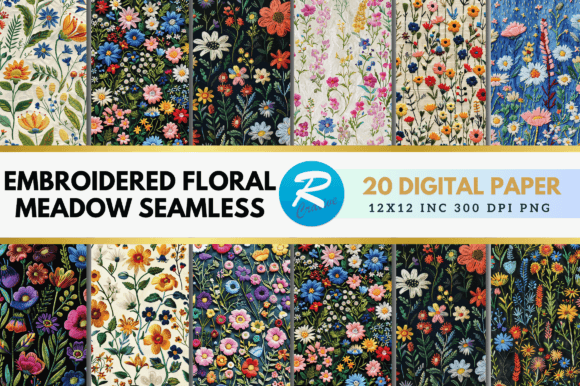
In the landscape of digital design and print crafting, texture serves as the bridge between flat graphics and tangible emotion. The Embroidered Floral Meadow Digital Paper collection addresses a specific need in modern creative workflows: the demand for high-fidelity backgrounds that mimic traditional needlework without the time-intensive production process. This resource is not merely a set of decorative images; it is a functional asset library designed to streamline project execution for professionals, educators, and hobbyists alike. Understanding how to effectively integrate these 20 distinct patterns into your existing pipeline ensures consistency across projects while maintaining the organic warmth associated with vintage floral aesthetics.
Defining the Asset in a Production Context
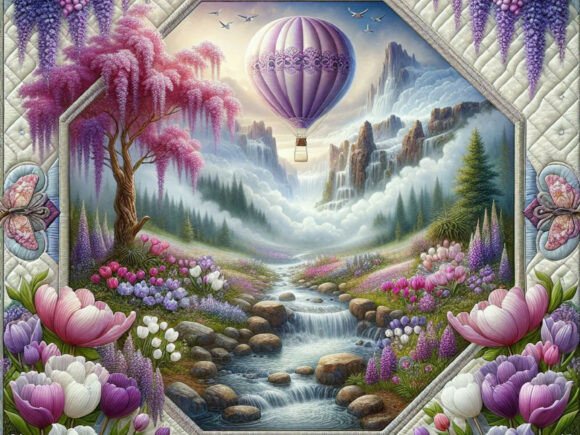
The Embroidered Floral Meadow Seamless Digital Paper Background series functions as a foundational layer in both digital and physical media creation. Unlike standard vector florals or watercolor washes, this collection simulates the tactile depth of thread on fabric. For designers and content creators, this distinction matters during the planning phase. When selecting assets for wedding invitations, scrapbook layouts, or product packaging, the choice of background dictates the typography pairing and color grading required later in the process.
These files are engineered at 300 DPI with dimensions of 12″x12″ (3600×3600 pixels). This specification is critical for workflow efficiency. It meets professional print standards immediately, eliminating the need for upscaling or interpolation that often degrades image quality. Whether you are designing a large-format poster or a small business card, starting with this native resolution ensures crisp edges and accurate color reproduction. The PNG format further supports versatile integration, allowing for lossless compression and compatibility across major design platforms like Adobe Photoshop, Affinity Designer, Canva, and Procreate.
Pre-Project Planning and Asset Organization
Effective use of digital paper begins before the first pixel is placed. Integrating the Embroidered Floral Meadow Digital Paper into your asset management system prevents bottlenecks during active design sessions. Because this collection includes varied motifs—from dense botanical backgrounds to lighter meadow arrangements—categorization is essential.
- Metadata Tagging: Upon download, tag files with semantic descriptors such as "shabby chic flower paper," "pastel flower paper," or "vintage floral digital paper." This ensures retrievability when searching for specific moods months later.
- Color Palette Extraction: Create swatches from each of the 20 papers before starting a project. Having pre-defined hex codes derived from the embroidered textures allows for faster decision-making regarding font colors and UI elements.
- Licensing Verification: Confirm commercial usage rights early. Since personal and commercial use is allowed, you can confidently incorporate these textures into client deliverables, Etsy listings, or educational materials without pausing to review terms mid-project.
This preparatory work transforms a folder of images into a structured design system. For entrepreneurs selling printable stationery or digital planners, this organization directly correlates to reduced turnaround times and increased output capacity.
Execution Strategies for Digital and Print Media
During the active creation phase, the Embroidered Floral Meadow Digital Paper serves multiple functional roles beyond simple decoration. The seamless nature of the patterns allows for flexible scaling and tiling, which is particularly valuable in web design and textile printing where continuous repeats are necessary.
Digital Design Implementation
For social media managers and bloggers, these papers provide instant brand cohesion. Using a consistent floral scrapbook paper style across Instagram stories, Pinterest pins, and blog headers creates visual recognition. In digital scrapbooking, the textured appearance adds necessary weight to layouts. When layering photos over these backgrounds, utilize blending modes like Multiply or Overlay to let the embroidered texture show through the image, grounding digital elements in a physical aesthetic. This technique is especially effective for spring flower paper or summer floral paper themes where a light, airy feel is desired.
Print Production Considerations
When moving from screen to press, the 300 DPI resolution ensures that the intricate details of the stitch simulation remain sharp. For card making and wedding floral paper projects, consider the interaction between ink and substrate. Printing these designs on matte or linen cardstock enhances the illusion of actual embroidery. If producing floral wrapping paper or packaging, test print a section first to verify color accuracy, as the rich tones of rose digital paper or peony digital paper may shift slightly depending on your printer’s profile. The 12x12 inch size is optimized for standard scrapbooking but can be tiled seamlessly for larger formats like gift wrap or wall art.
Post-Production and Product Development
After completing a primary project, the utility of the Embroidered Floral Meadow Digital Paper extends into product development and marketing. Creators often overlook the value of repurposing assets. A background used for a wedding invitation suite can be adapted into matching thank-you cards, envelope liners, or even digital stickers for planner enthusiasts.
For sellers on platforms like Etsy or Creative Market, this collection supports the creation of derivative products. You might combine the daisy pattern paper with hand-lettered quotes to create printable wall art, or use the blue floral paper as a base for digital journal covers. The key to sustainable product development is maximizing the ROI of each asset. Because the licensing permits commercial use, you can bundle these textures into your own kits or use them as value-adds for client projects, provided you adhere to platform-specific guidelines regarding standalone resale.
Technical Compatibility and Workflow Integration
Seamless integration requires understanding how these files interact with other tools. The PNG format offers significant advantages in mixed-media workflows. Unlike JPEGs, PNGs preserve color fidelity and do not introduce compression artifacts, which is vital when editing high-contrast botanical backgrounds. However, file size can be a consideration. At 3600x3600 pixels, these files are substantial.
To maintain software performance:
- Use Smart Objects: In Photoshop or Affinity, place papers as Smart Objects. This allows non-destructive resizing and filtering without permanently altering the original high-res file.
- Create Pattern Presets: Define the seamless flower pattern as a native pattern preset in your software. This allows you to fill any shape or layer instantly without manually aligning tiles, significantly speeding up the layout process for complex compositions.
- Proxy Workflows: For video editors or motion designers using these as green screen backgrounds or title cards, consider working with lower-resolution proxies during editing and swapping in the full 300 DPI files only for the final render.
Selecting the Right Variation for Project Goals
The collection’s diversity requires intentional selection to match project objectives. Not every floral pattern serves the same purpose. Understanding the psychological and visual weight of each variation improves design outcomes.
Wildflower digital paper and garden floral paper tend to have more negative space and organic distribution, making them ideal for text-heavy projects like certificates, menus, or educational worksheets where readability is paramount. Conversely, dense sunflower digital paper or pink flower digital paper works best as border elements, photo mats, or accent strips rather than full-page backgrounds behind body copy.
For seasonal campaigns, strategic rotation keeps content fresh. Utilize spring flower paper for Easter and renewal-themed marketing in Q1/Q2, transitioning to summer floral paper for outdoor events and travel content. In Q4, the warmer, denser tones of vintage floral digital paper align naturally with holiday nostalgia and heritage branding. This cyclical approach to asset utilization ensures your visual identity remains relevant without requiring constant new purchases.
Quality Control and Long-Term Asset Management
Maintaining a professional standard involves regular quality checks. Even with high-resolution source files, output quality depends on monitor calibration and printer maintenance. Before committing to a large print run of floral card backgrounds or invitations, always produce a physical proof. Check for banding in gradients and ensure the simulated thread texture does not appear pixelated at viewing distance.
Long-term, organize your Embroidered Floral Meadow Digital Paper within a broader asset library structure. Avoid generic folder names like "Flowers." Instead, use descriptive hierarchies such as Assets > Textures > Embroidered > Floral > Pastel. This granular organization pays dividends as your library grows. Additionally, keep a record of which papers have been used in commercial projects to track performance. You may find that certain styles, like boho floral digital paper, consistently outperform others in sales or engagement, informing future asset acquisition and design direction.
By treating the Embroidered Floral Meadow Digital Paper collection as a systematic component of your creative infrastructure rather than a disposable decorative element, you enhance both the efficiency of your workflow and the perceived value of your final output. The intersection of technical specification and aesthetic versatility makes this resource a reliable staple for diverse creative applications, from intimate personal crafts to scalable commercial enterprises.