Knitting Yarn Fabric Textiles Background Guide
There is an undeniable warmth associated with the visual texture of knitted wool and yarn. In digital design, capturing that tactile essence can transform a flat screen or printed page into something that feels handcrafted and intimate. A high-quality Knitting Yarn Fabric Textiles Background serves as more than just a decorative filler; it acts as a foundational element that evokes comfort, tradition, and artisanal care. For creators working on projects ranging from Valentine’s Day 2024 campaigns to winter birthday stationery, these seamless patterns bridge the gap between digital convenience and physical nostalgia.
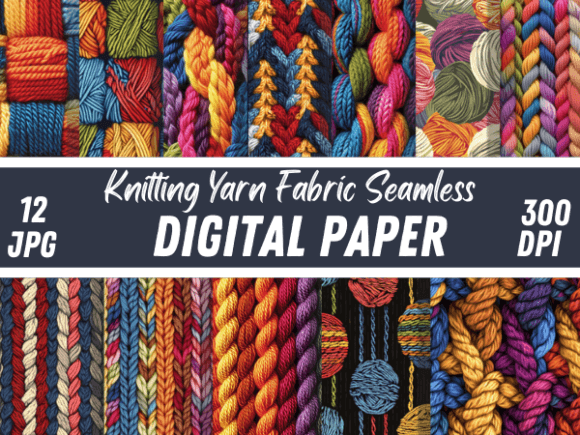
When selecting digital assets for professional or personal use, resolution and versatility are paramount. This specific collection offers 12 digital papers within a single zip file, each boasting 3600 x 3600 pixels at 300 DPI. This specification is critical because it ensures the intricate details of the knit stitches remain crisp whether you are designing a small vinyl decal or a large-format wall art piece. The JPG format provides broad compatibility across design software, making these repeatable bundles accessible to everyone from seasoned graphic designers to hobbyists using home craft machines.
Elevating Seasonal and Romantic Design Projects
The association between knitting and affection is deeply rooted in cultural tradition, making these textures exceptionally effective for romantic and seasonal themes. When designing for Valentine’s Day or winter birthdays, standard solid colors often lack the emotional resonance required to connect with an audience. A Knitting Yarn Fabric Textiles Background introduces a layer of sensory depth that suggests handmade gifts and cozy gatherings.
For greeting cards and wedding stationaries, these backgrounds provide a soft, non-distracting canvas that enhances typography rather than competing with it. The pastel and rustic tones often found in these collections pair beautifully with elegant script fonts, creating a cohesive aesthetic for invitations and thank-you notes. In commercial marketing, utilizing these textures can soften brand messaging during the holiday season, making promotional materials feel more like personal correspondence and less like corporate advertising. The key is to treat the texture as a supporting character that amplifies the primary message of love and celebration.
Technical Specifications for Print and Digital Clarity
Understanding the technical parameters of your digital paper prevents costly printing errors and ensures professional results. At 300 DPI, these files meet the industry standard for high-quality offset and digital printing. This resolution captures the subtle shadows and highlights of individual yarn fibers, which is essential for realistic fabric simulation. Lower resolution files often appear muddy or pixelated when printed, destroying the illusion of textile depth.
However, users must remain mindful of color management. Actual colors may vary slightly due to monitor settings, printer profiles, and substrate choices. A vibrant red yarn on an RGB-calibrated screen may print as a deeper burgundy on uncoated cardstock. We always recommend performing test prints on your intended material before committing to a full production run. This is especially true for sublimation projects like acrylic tumblers or 11oz mug wraps, where heat and ink absorption can shift color values. By acknowledging these variables upfront, you ensure the final product matches your creative vision.
Versatile Applications Across Crafting Disciplines
The utility of a seamless Knitting Yarn Fabric Textiles Background extends far beyond simple scrapbooking. Modern makers utilize these digital resources across a surprising array of mediums. Because the pattern is repeatable, it scales effortlessly for different applications without visible seams or awkward transitions.
- Sublimation and POD: Create custom merchandise such as tote bags, pillows, and apparel. The detailed texture mimics real fabric, adding perceived value to printed goods.
- Paper Crafting: Use as backing paper for junk journals, planner covers, or book binding. The high detail withstands close inspection in physical formats.
- Digital Design: Serve as website headers, social media backdrops, or digital sticker bases. The texture adds organic interest to otherwise sterile digital layouts.
- Home Decor: Print on canvas or matte photo paper for framed wall art that complements rustic or hygge interior design schemes.
- Fashion and Textile: Utilize as reference swatches for fashion illustration or as direct printing files for fabric yardage and iron-on transfers.
For those using cut machines like Cricut or Silhouette, these backgrounds work excellently as printable fill layers for layered vinyl projects. You can print the yarn texture onto sticker paper or cardstock, then cut precise shapes over it to create stickers with rich, realistic detailing that solid vinyl cannot achieve alone.
Enhancing Brand Identity and User Experience
For entrepreneurs and marketers, texture is a powerful branding tool. In an era of minimalist flat design, incorporating a Knitting Yarn Fabric Textiles Background signals authenticity and craftsmanship. This is particularly valuable for businesses in the wellness, education, children’s products, and artisanal food sectors. The visual cue of knitwear triggers associations with patience, quality, and human touch.
From a user experience perspective, textured backgrounds can reduce eye strain compared to stark white screens while maintaining better readability than busy photographic backgrounds. The repetitive, orderly nature of knit patterns creates a sense of calm and structure. When used in digital planners or educational worksheets, this subtle background noise can actually improve focus by providing a gentle visual anchor without overwhelming the content. It strikes a delicate balance between decoration and functionality that pure ornamentation often misses.
Practical Considerations for Implementation
While these digital papers are versatile, successful implementation requires thoughtful selection. Not every knit pattern suits every project. Tighter, finer gauge knits generally work better for text-heavy documents like certificates or detailed invitations because they offer higher contrast against overlaid elements. Chunkier, looser cable knits create dramatic focal points ideal for gift tags, mug wraps, or social media graphics where text is minimal.
Consider the scale of your output relative to the 3600 x 3600 pixel dimensions. While this size is generous, stretching it beyond its native resolution for large banners will degrade quality. Conversely, using the full resolution for a tiny business card may result in unnecessarily large file sizes that slow down your workflow. Most design software allows you to scale patterns proportionally; utilize tiling functions to maintain sharpness at smaller sizes rather than shrinking the entire image.
Finally, remember that these are digital interpretations of physical crafts. They excel at evoking the feeling of handmade items but should not be misrepresented as photographs of actual products if transparency is required for your audience. When used ethically and creatively, however, they democratize access to beautiful textile aesthetics, allowing anyone with a printer or screen to incorporate the timeless charm of knitted yarn into their modern creative endeavors. Whether you are wrapping a digital gift or designing a physical quilt label, these resources provide the essential texture needed to make your work resonate with warmth and intention.