Evaluating Building Blocks Papers for Digital and Print Projects
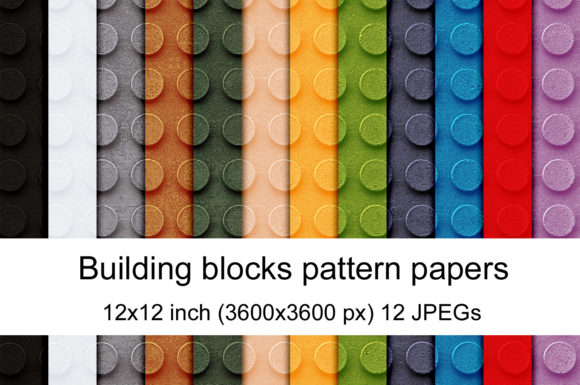
Selecting the right digital assets is a critical step in any creative workflow, whether you are designing a physical product or curating a digital memory book. Building Blocks Papers represents a specific category of digital design resources: a curated collection of 12 seamless patterns optimized for versatility. For designers, crafters, and hobbyists evaluating this collection, understanding its technical specifications and practical applications is essential to determining if it aligns with current project requirements. This evaluation explores the functional attributes, use cases, and decision-making factors associated with this 3600 x 3600 pixel asset pack.
Technical Specifications and Resolution Standards
The primary metric for evaluating any digital paper collection is resolution. Building Blocks Papers provides files at 3600 x 3600 pixels. In print terminology, this equates to a 12x12 inch square at 300 DPI (dots per inch). This specification is significant for several reasons that impact both digital and physical workflows.
- Print Fidelity: At 300 DPI, these papers meet the industry standard for high-quality commercial and home printing. Users can expect crisp edges and accurate color reproduction when printing on cardstock, fabric, or packaging materials without pixelation.
- Digital Scalability: For screen-based projects, 3600 pixels offers substantial headroom. Designers can zoom in to extract specific details or crop sections of the pattern while maintaining adequate resolution for web graphics, social media templates, or digital planner backgrounds.
- Square Aspect Ratio: The 1:1 aspect ratio is inherently versatile. It aligns perfectly with standard scrapbooking formats, Instagram posts, album covers, and quilt blocks, reducing the need for extensive cropping or stretching that can distort geometric patterns.
When comparing this collection to lower-resolution alternatives, the 3600px benchmark ensures longevity. Assets purchased at lower resolutions often require repurchasing or upscaling later if project scope changes from digital-only to print-ready. Investing in this resolution tier future-proofs the asset library.
Versatility Across Creative Disciplines
While often categorized under "digital scrapbooking," the utility of Building Blocks Papers extends into multiple domains. Evaluators should consider how these geometric and structural patterns function across different mediums.
Digital Scrapbooking and Journaling
In the context of digital memory keeping, these papers serve as foundational backgrounds. The "building block" aesthetic typically implies structure, grids, and modular elements. This makes them particularly effective for organizing photo layouts, creating title blocks, or establishing visual rhythm across a digital spread. Unlike organic or floral patterns, structural papers provide a neutral yet engaging canvas that supports content without competing with photographs.
Physical Crafting and Packaging
For makers producing tangible goods, the seamless nature of these tiles is a functional advantage. When wrapping boxes, creating custom stickers, or designing fabric prints, seamless tiling allows for coverage of large surface areas without visible repeat lines. The 12x12 inch size is specifically convenient for standard die-cutting machines and home printers, minimizing waste during the prototyping phase.
Commercial Mock-ups and Branding
Graphic designers frequently require textured backgrounds for product mock-ups. Geometric papers offer a professional alternative to solid colors, adding depth to presentations while maintaining brand neutrality. Because these files are compatible with standard software like Photoshop, Illustrator, Affinity, and Canva, they integrate smoothly into existing commercial pipelines without requiring specialized plugins or format conversions.
Benefits and Practical Advantages
Choosing Building Blocks Papers over other textural assets offers distinct operational benefits. Understanding these advantages helps justify the acquisition based on workflow efficiency rather than aesthetic preference alone.
Software Agnosticism: A major friction point in digital asset management is file compatibility. These papers are designed to be universally accessible. Whether a user operates within the Adobe ecosystem, uses open-source tools like GIMP, or prefers browser-based platforms, the standard image formats ensure immediate usability. This reduces technical barriers for beginners and streamlines collaboration in team environments where software preferences may vary.
Cohesive Collection Logic: Acquiring a set of 12 coordinated papers eliminates the time spent matching disparate assets. Each paper in the collection shares a consistent color palette, scale, and stylistic language. For users working on multi-page projects or product lines, this built-in cohesion ensures visual consistency without manual color grading or adjustment.
Ease of Manipulation: Structural patterns are generally more forgiving to edit than complex illustrations. Users can easily rotate, flip, or overlay blending modes on geometric blocks without creating visual dissonance. This malleability makes the collection suitable for both novice users learning layer management and advanced designers seeking quick base textures.
Tradeoffs and Considerations
An objective evaluation must also address limitations. While Building Blocks Papers are highly versatile, they are not a universal solution for every creative scenario.
Stylistic Constraints: The structured, modular nature of these papers may not suit projects requiring organic flow, vintage distressing, or hand-painted aesthetics. If the project goal is softness or irregularity, the clean lines of building block patterns might feel too rigid or modern. Evaluators should review sample previews against their specific mood boards before committing.
File Management: Twelve high-resolution files require adequate storage and organization. While 3600px is optimal for quality, it results in larger file sizes compared to web-optimized assets. Users with limited device storage or older hardware should verify that their systems can handle multiple large-format layers without performance lag.
Licensing Awareness: As with any digital asset, users must carefully review the licensing terms included with Building Blocks Papers. Determining whether the license permits commercial end-products, digital redistribution, or NFT creation is a legal necessity. Assumptions about usage rights based on price point or platform can lead to compliance issues; always validate the specific license agreement provided with the download.
Decision Framework: Is This Collection Right for You?
To determine if Building Blocks Papers aligns with your needs, consider the following decision matrix based on project type and workflow preferences.
Strong Fit Scenarios
- Hybrid Crafters: You regularly move between digital design and physical production (e.g., designing digitally then printing for scrapbooking or packaging).
- Systematic Designers: You prefer organized, grid-based layouts and value asset collections that maintain internal consistency.
- Resolution-Conscious Buyers: You want to purchase once and use across both high-DPI print and retina-display digital projects without quality loss.
- Beginners Seeking Structure: You are learning digital design and need forgiving, easy-to-manipulate backgrounds that teach fundamental layout principles.
Alternative Considerations
- Web-Only Projects: If your work never exceeds 1080px width, lighter-weight assets may load faster and consume less storage.
- Niche Aesthetics: If your brand identity relies exclusively on watercolor, grunge, or photographic textures, geometric papers may require excessive modification to fit.
- Vector Requirements: If you need infinite scalability for billboards or vehicle wraps, raster papers at 3600px have a ceiling. Vector-based patterns would be a more appropriate investment for large-format commercial printing.
Final Evaluation Insights
Building Blocks Papers occupies a practical middle ground in the digital asset market. It balances professional-grade resolution with accessible usability, making it a reliable tool for a broad spectrum of creators. The value proposition lies not just in the visual appeal of the 12 patterns, but in the technical reliability of the 3600 x 3600 pixel specification and the cross-platform compatibility.
For those researching this collection, the decision ultimately rests on alignment between the asset’s structural characteristics and the intended application. By weighing the benefits of high-resolution versatility against the stylistic constraints of geometric design, users can make an informed choice that supports both current projects and future creative exploration. When selected intentionally, this collection serves as a durable foundation for diverse creative endeavors, bridging the gap between digital convenience and tactile craftsmanship.